Inspect the installation
- Confirm battery type, rating, age and polarity; inspect the case, posts, clamps, main fuse or junctions, remote cables and engine/chassis ground straps.
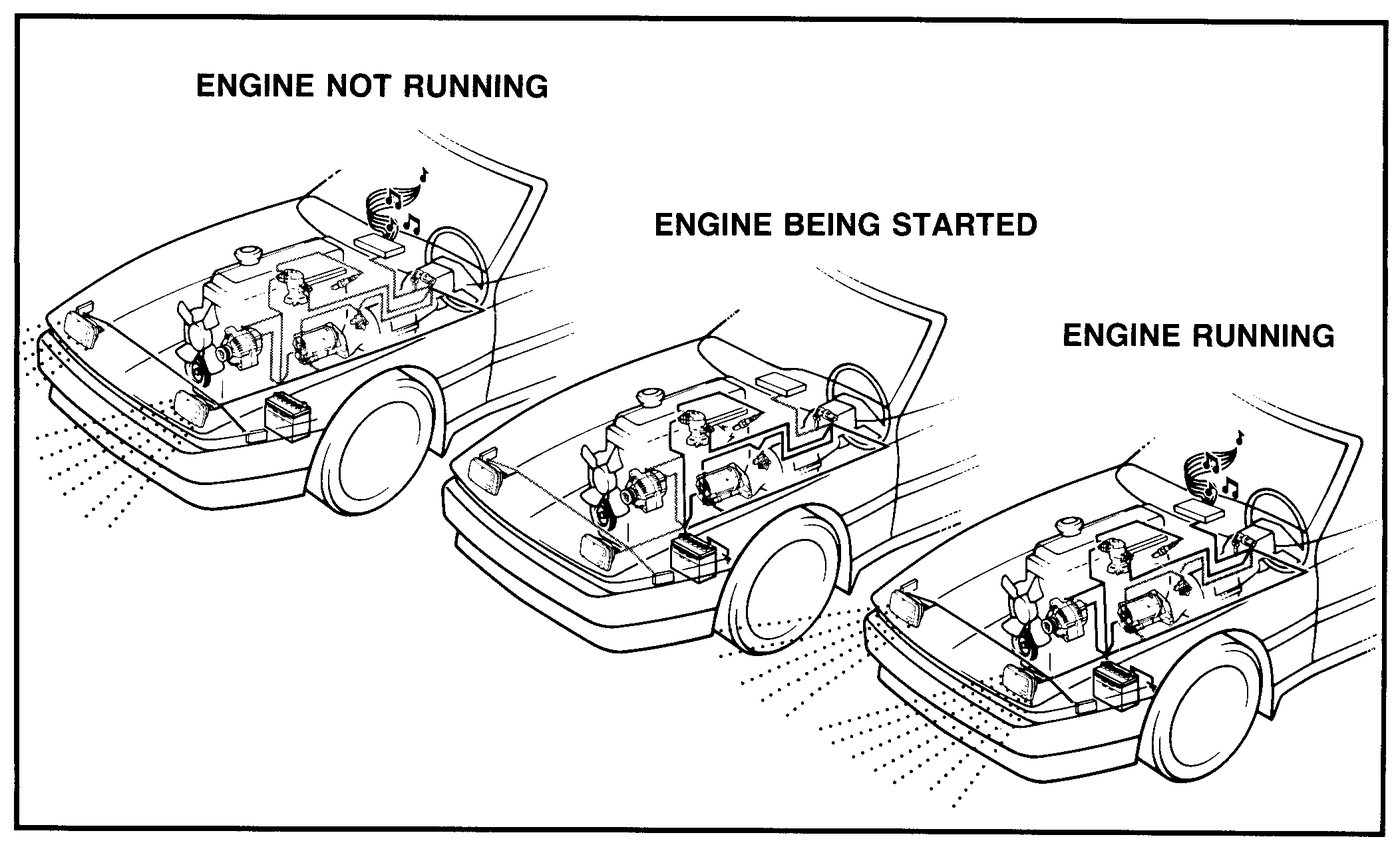
Battery open-circuit voltage indicates state of charge, but the ability to support a starter and keep the OEM ECU awake depends on internal resistance and available capacity. During cranking, a weak or discharged battery can pull ECU, injector, ignition and electronic-throttle supplies below their operating range, producing misleading communication faults and DTCs before the engine starts.
A swap can add long battery cables, remote isolators, junctions and separate engine, chassis and ECU grounds. Those paths must be evaluated with the battery under load: compare voltage at the posts with the starter, engine block and ECU feeds during cranking, then verify charging recovery after start. Judge every result against battery temperature, battery specification and the applicable Toyota/Lexus service information.
| Check | Expected Evidence | Diagnostic Meaning |
|---|---|---|
| Rested battery condition | Within the battery manufacturer’s state-of-charge specification for its type and temperature | Charge or stabilize before diagnosing ECU, starter or charging faults. |
| Battery and ECU supply during crank | Remain within the applicable battery and Toyota/Lexus operating specifications | Collapse at both points suggests battery or load trouble; a larger loss only at the ECU indicates its feed or ground path. |
| Positive cranking path | Voltage drop remains within factory or workshop specification | Excess loss identifies resistance at a cable, junction, fuse link, isolator or terminal. |
| Ground cranking path | Voltage drop remains within specification from starter or engine to battery negative | Excess loss identifies a weak engine strap, chassis bond or negative connection. |