Classify the component
- Match its part number and connector to the exact diagram. Identify whether it is a switch, resistive input, sensor, relay, solenoid or motor and locate its supply, command and return terminals.
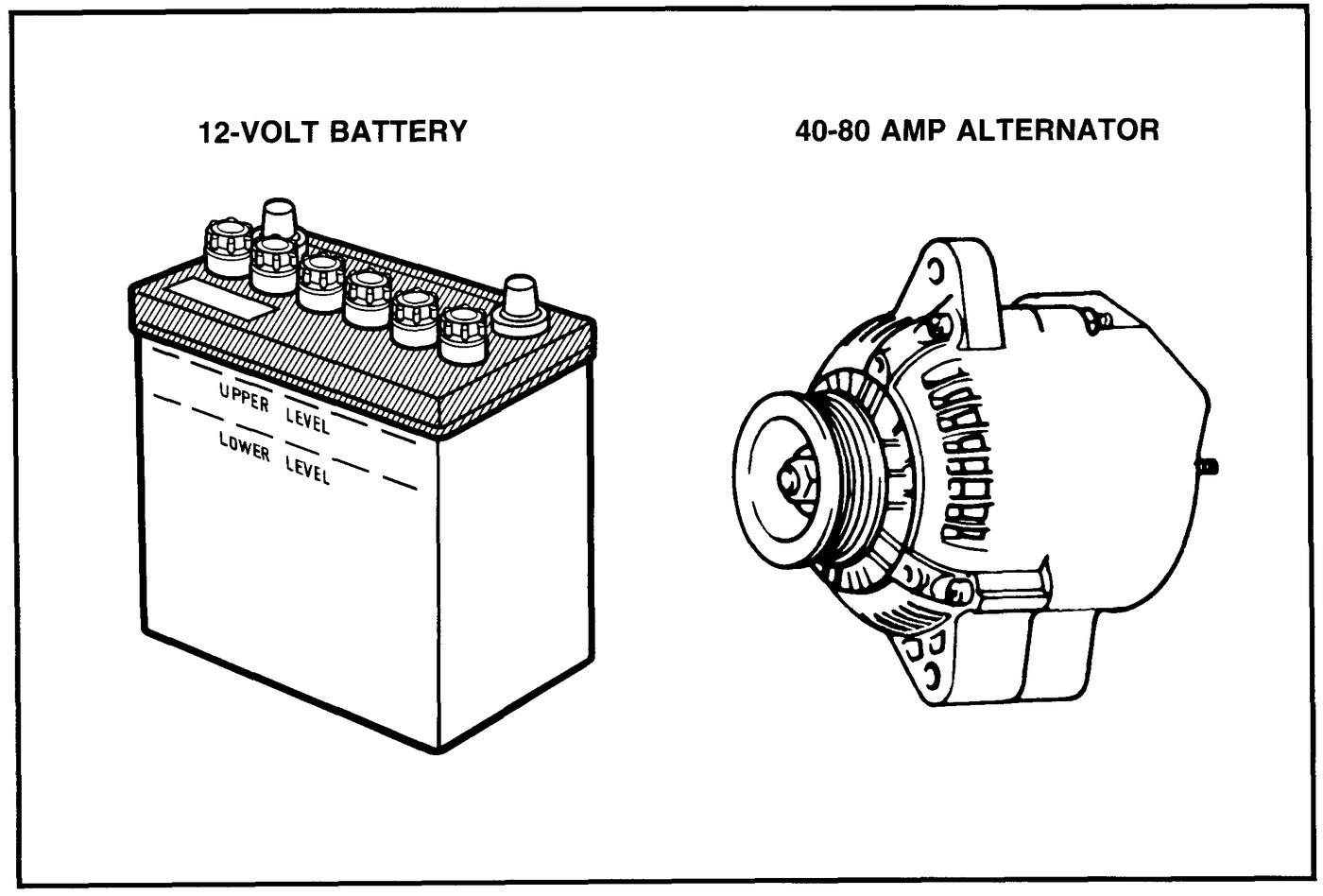
In a Toyota/Lexus OEM-ECU swap, electrical components fall into inputs and loads. Inputs such as switches and sensors return a voltage, frequency or pulse to the ECU from a specified supply or reference and sensor ground; loads such as relay coils, solenoids and motors use power and are switched by the ECU or a relay. Connector pinout, driver polarity and component part number must match the ECU and harness variant.
A resistance check alone does not prove a component under operating current. Test supply and return at the connected component, verify the ECU command with a high-impedance meter or oscilloscope suited to the signal, and compare current draw or voltage drop with factory information. Inductive loads can create voltage spikes; never use an unfused jumper, ground an unknown ECU terminal, or put a test lamp on an ECU signal or driver without an explicit service procedure.
| Check | Expected Evidence | Diagnostic Meaning |
|---|---|---|
| Sensor supply or reference and sensor ground | Stable and within the exact factory specification for that component and ECU | A shared reference pulled low can indicate a shorted sensor or harness branch; prove branches before condemning the ECU. |
| Relay coil command and loaded contact output | Coil command follows the control request and contact output remains within the factory voltage-drop allowance | A relay may click yet have resistive contacts; separate coil-side and contact-side results. |
| Solenoid command and current | Duty cycle or switching pattern and current remain within the component’s factory specification | Correct command with no current suggests an open path; excessive current suggests a shorted winding or mechanical load. |
| Motor supply, ground and current under load | Loaded voltage, ground path and current remain within factory specification and operation is smooth | Correct electrical input with poor output points toward the motor or mechanical load rather than the ECU. |