Define the exact symptom
- Record the engine, ECU, transmission, security arrangement, harness changes, DTCs and freeze-frame data before clearing anything.
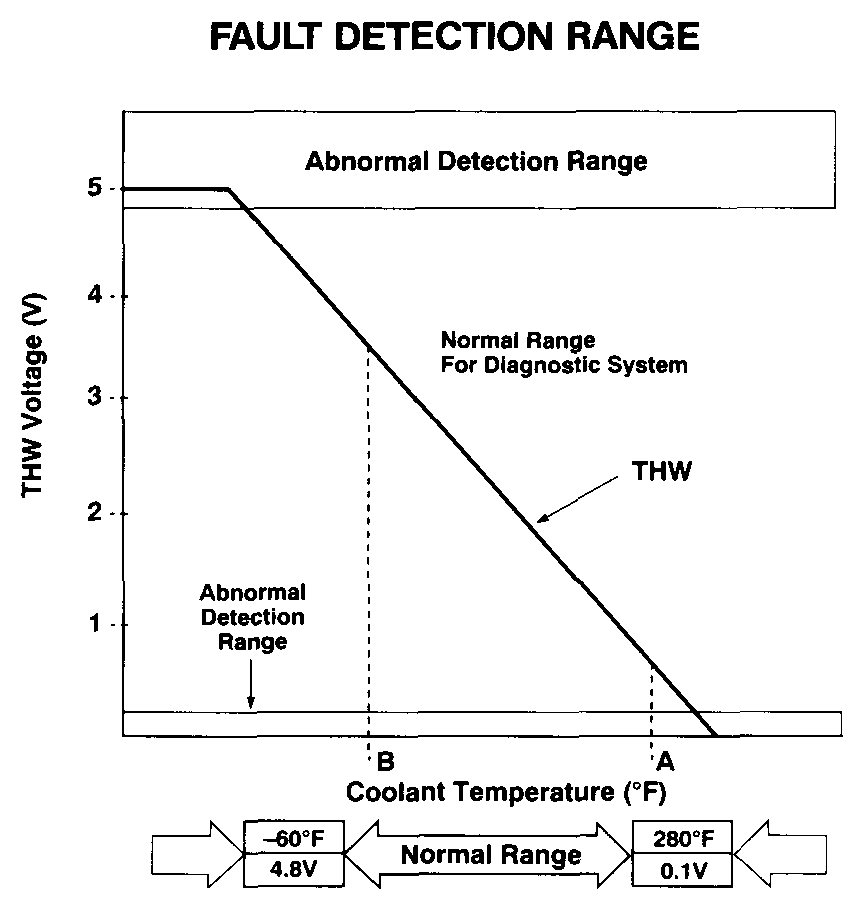
Engine-control diagnosis is a controlled comparison between what the ECU sees, what it requests and what the engine actually does. A DTC identifies the monitor that failed; it is not proof that the named component is defective. Begin with the fault conditions and freeze-frame data, prove ECU power and grounds, check input plausibility, and then trace the affected command through the circuit to the load or mechanical system.
An OEM ECU swap adds compatibility, authorization and body-interface questions to the normal process. The correct ECU may still withhold injection, ignition, throttle or transmission functions when a required start, range, synchronization, immobilizer or network state is missing. ECU replacement should remain the final conclusion after donor configuration, external wiring, loads, grounds and relevant mechanical conditions have been tested.
| Check | Expected Evidence | Diagnostic Meaning |
|---|---|---|
| ECU foundation under the fault condition | Required feeds remain stable and ground paths remain sound while the symptom occurs | A weak foundation can create unrelated DTCs, communication loss and multiple missing outputs. |
| Cranking and synchronization data | The ECU recognizes engine rotation and valid position information where the scan system reports it | No recognition directs testing toward crank or cam signals, wiring, supply or mechanical timing. |
| Authorization and operating states | Start, range or clutch, throttle, and security or network states agree with the actual condition | A contradictory state can intentionally block cranking, injection, ignition or throttle operation. |
| Command versus circuit response | The requested command produces the expected electrical change at the ECU and load, followed by the intended physical result | The point where the chain stops separates strategy, driver, harness, load and mechanical faults. |